Celebrate Milestones with Symbolic Design Assets
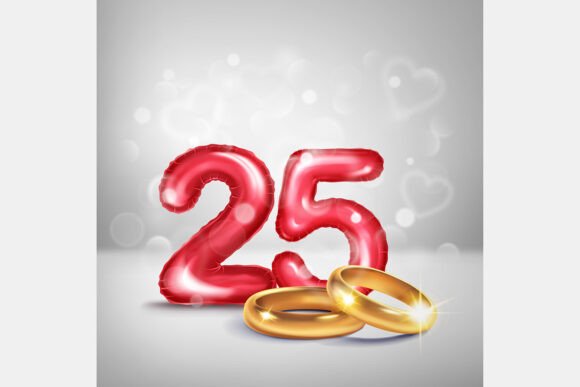
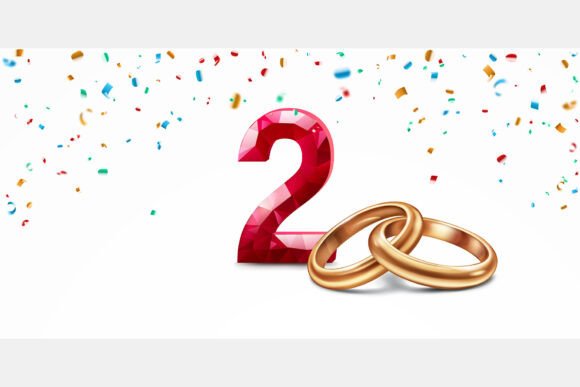
Designing for a celebration requires more than just picking a font; it demands a visual language that speaks of joy, longevity, and significant achievement. When a client approaches you with a project centered around a wedding anniversary, particularly the second year, you need imagery that instantly conveys that specific milestone. You aren't just looking for a generic "number two"; you are looking for a composition that feels intentional and festive. This is where specific, high-quality vector assets come into play. The imagery of a bold red number paired with the timeless elegance of gold rings creates an immediate emotional connection, serving as a powerful anchor for any design project related to love and celebration.
The Psychology of Red and Gold in Celebration Design
Color theory is the silent salesperson in design. In the context of anniversary branding, the combination of a vibrant red number and golden wedding rings is not accidental; it is a strategic choice. Red is universally associated with passion, love, and energy. It commands attention, which is exactly what you want for the focal point of a poster or a social media graphic. Meanwhile, gold symbolizes luxury, success, and high value. When you pair these two, you create a high-contrast visual hierarchy that feels both energetic and prestigious.
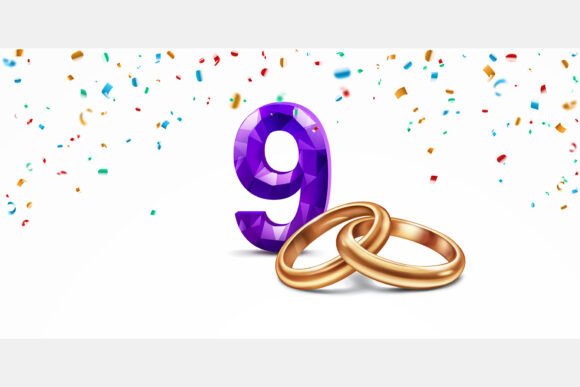
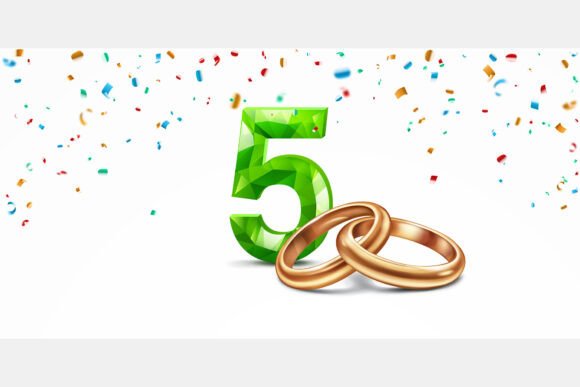
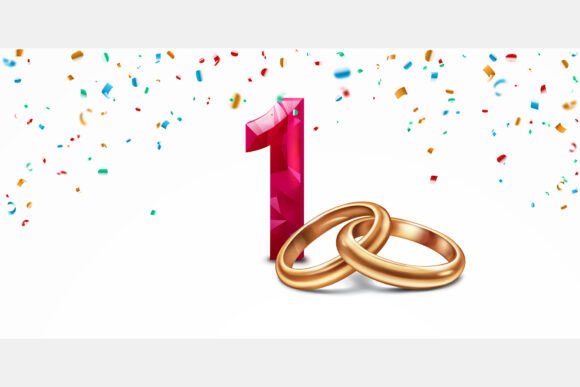
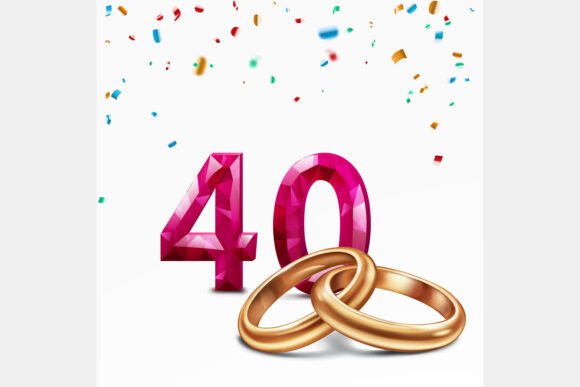
Consider the texture and finish as well. A "faceted" red number suggests dimensionality and modernity, moving away from flat, static design. It catches the light, adding a sense of realism to the digital space. The intertwined golden rings, often the universal symbol of marriage, ground the design in tradition. For a small business owner creating merchandise or a designer working on editorial layouts, this specific color palette ensures the final product feels premium. It avoids the "cheap" look that can sometimes plague DIY celebration designs, offering a professional presentation that clients are willing to pay for.
Practical Applications for Creative Entrepreneurs
Understanding where to use this type of specific asset is just as important as the design itself. If you are a content creator or a marketing professional, versatility is key. The beauty of a high-resolution illustration—such as a 7500×3750 pixel JPG or a scalable EPS file—is that it adapts to various mediums without losing quality. This asset isn't limited to just wedding invitations; it is a broad-spectrum tool for visual communication.
Here are several practical ways to integrate this imagery into your workflow:
- Social Media Campaigns: Use the bold red and gold motif as a background for Instagram stories or Facebook banners promoting wedding planning services, jewelry sales, or romantic getaway packages.
- Merchandise Design: For those selling print-on-demand products, this graphic works beautifully on tote bags, mugs, or t-shirts sold at bridal expos or on Etsy.
- Packaging Design: If you run a bakery specializing in wedding cakes or a gift shop, incorporating this vector into your box design or wrapping paper adds a layer of thematic branding.
- Digital Products: Bloggers and course creators can use this image in digital planners, printable wall art, or e-book covers focused on relationship advice or event planning.
By utilizing a vector file (EPS), you maintain the flexibility to recolor the elements or resize them for massive print jobs, like trade show posters, or small digital icons, like website favicons. This scalability is a non-negotiable requirement for professional design assets.
Integrating Symbolic Graphics with Modern Typography
A common challenge in design is balancing a strong illustrative element with text. You want the visual to shine, but the message needs to be readable. When working with a complex image like intertwined rings and a faceted number, the typography you choose to accompany it must be carefully considered. This is where font pairing becomes a critical skill.
If the illustration is busy and colorful, your typeface should likely be clean and structured. A modern sans serif font often works best for headlines, providing a contemporary counterpoint to the romantic, traditional imagery of the rings. Conversely, if you want to lean into the elegance, a sophisticated serif font can elevate the "luxury" feel established by the gold tones.
Avoid using overly decorative script fonts directly on top of the intricate details of the rings, as this can cause visual clutter and hurt readability. Instead, use the illustration as a focal point and place your typography in the negative space—the white background—where it can breathe. This approach ensures your brand identity remains sharp and your message is communicated clearly to the audience.
Streamlining Your Design Workflow
Time is money, especially for freelancers and entrepreneurs. One of the biggest hurdles in the creative process is sourcing the right elements and then modifying them to fit the project scope. Having access to an editable vector file transforms your workflow. Instead of spending hours trying to draw intertwined rings or create a 3D effect on a number, you start with a professional-grade foundation.
This efficiency allows you to focus on the broader brand strategy. For example, if you are designing a logo for a jewelry store, you can extract just the rings or use the shape language of the number "2" to create a unique monogram. The ability to separate elements within a vector file means one asset can spawn multiple variations across a brand's collateral—from business cards to website headers. It’s about working smarter, not harder, and ensuring every piece of content you produce maintains a high standard of visual consistency.
Ensuring Commercial Viability and Licensing
Before you download and deploy any design asset, the technical and legal details matter. For designers and businesses, the distinction between personal and commercial use is vital. A high-quality asset usually comes with a license that allows for commercial application, meaning you can use the design in products you sell or marketing materials for a business.
Always check the specifics of the file formats provided. A standard professional offering includes an EPS file for editing in software like Adobe Illustrator and a high-resolution JPG for immediate use in presentations or web uploads. Understanding these specifications ensures that you won't run into pixelation issues when printing large formats or compatibility errors when opening files. This diligence protects your professional reputation and ensures that the final product—whether it's a wedding invitation or a marketing poster—meets the technical requirements of the medium.