Modern Wedding Banner Invitation: Crafting Visual Stories
The moment a guest opens your invitation, they should feel the atmosphere of your wedding day before reading a single word. That immediate emotional connection is the magic of a well-designed Wedding Banner Invitation. It’s more than just a piece of stationery; it’s the first chapter of your love story, setting the tone for an elegant gala, a rustic barn celebration, or a sleek, modern affair. In a sea of generic templates, creating a design that feels uniquely yours can be a challenge. This is where having the right design assets transforms the process from a chore into a joyful act of creation.
A Design Built for Flexibility and Flow
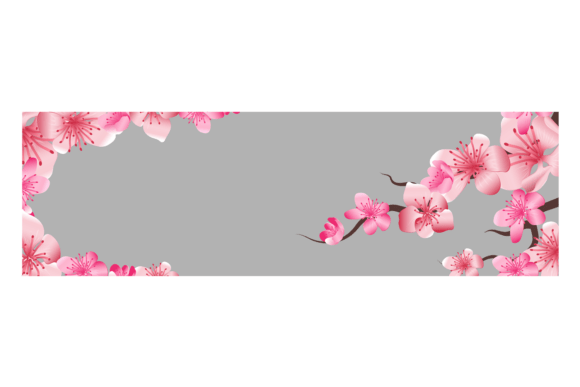
What makes a particular design asset truly valuable isn't just its beauty on the screen, but its adaptability in your hands. A thoughtfully crafted Wedding Banner Invitation template serves as a robust foundation. Imagine a design that balances intricate, romantic flourishes with clean, modern typography. This kind of visual harmony allows it to feel both timeless and contemporary. The banner element provides a natural focal point—perfect for names, dates, or a monogram—while the surrounding space offers breathing room for essential details. This balance is crucial; it guides the eye, creates a clear hierarchy of information, and ensures the final piece feels polished, not cluttered.
The true power, however, lies in the file formats you receive. Getting a single JPG limits you to basic edits. Receiving a comprehensive package—including editable vector files like AI, EPS, SVG, and DXF alongside high-resolution JPG and PNG—unlocks professional-grade flexibility. Vector formats are the cornerstone of professional design. They allow you to scale the invitation to any size without losing a pixel of quality, from a delicate A7 card to a grand welcome banner for the venue. You can easily adjust colors to match your exact wedding palette, modify letter spacing, or even isolate and reuse individual design elements, like a floral swirl or a border, for other pieces of your wedding suite.
From Digital File to Cohesive Wedding Suite
Think of your Wedding Banner Invitation as the cornerstone of a larger visual identity. The design elements, fonts, and color scheme within it can—and should—be carried throughout your entire wedding day for a seamless, professional presentation. This creates an immersive experience for your guests.
Here’s how to extend that design language:
- Day-Of Stationery: Use the same vector file to create matching programs, menus, place cards, and table numbers. The ability to edit the SVG or AI file means you can reposition the banner, change text, and resize elements to fit each new format perfectly.
- Digital Communications: The PNG file with its transparent background is ideal for creating a cohesive look across digital platforms. Use it to design a custom wedding website header, email signatures for your planning communications, or even digital save-the-dates.
- Venue Decor: Scale the design up significantly to print on vinyl welcome signs, photo booth backdrops, or ceremony arch decorations. The vector format ensures these large-format prints remain crisp and detailed.
- Keepsakes & Merchandise: The elegant motifs can be adapted for thank-you cards, creating a full circle moment for your guests. For a personal touch, the design could even be simplified for etching on favors or printed on custom napkins.
This approach to design isn’t just about aesthetics; it’s about efficiency and brand consistency. By starting with a master file that is easy to edit and use, you save countless hours and avoid the frustration of mismatched designs. Your wedding develops a clear visual identity, much like a small business cultivates a brand.
Practical Advice for Selecting Your Design Assets
Choosing the right creative font or design template is a practical decision. Here are some considerations to ensure it serves your project goals:
- Assess the Personality: Does the typography reflect your event's vibe? A flowing script font whispers romance and formality, while a clean sans-serif font speaks to modern minimalism. Look for a design that resonates with your personal style.
- Test for Readability: A beautiful script is useless if guests can’t decipher the time or location. Ensure the main text is legible at a glance. The banner element often highlights key text, so check that it stands out clearly.
- Consider Font Pairings: Great designs often pair a decorative display font with a simpler, highly readable sans-serif or serif font for body text. Review how the fonts in the template work together. Can you easily pair it with a font you already own?
- Review the File Package: Always check what you’re getting. A premium font or design asset should provide the formats you need for real-world use. For print projects, high-resolution JPGs and CMYK-compatible files are essential. For digital use and editing flexibility, vector formats are non-negotiable.
- Understand Licensing: If you’re a designer, crafter, or entrepreneur creating items for clients or for sale, commercial licensing is critical. Ensure the asset comes with a license that covers your intended use, whether for personal projects, client work, or merchandise.
The goal is to find a design that not only looks stunning but also works hard for you. It should be a tool that empowers your creativity, not a rigid template that confines it. When you invest in a well-constructed design asset, you’re investing in a smoother creative process and a more professional outcome. Whether you’re designing your own wedding suite, creating products for your Etsy shop, or building marketing materials for a client, the right foundation makes all the difference. It allows you to focus on the story you want to tell, confident that the visual presentation will be cohesive, engaging, and uniquely yours.