Wedding Icons: A Designer's Guide to Love, Invitations & Home
Every designer knows the feeling: you're working on a project that's deeply personal, something meant to celebrate a milestone or capture a feeling of warmth and connection. You search for the right visual elements, the ones that will resonate without feeling generic or overused. That's where a thoughtfully crafted set of icons becomes invaluable. We recently came across a versatile collection centered on wedding and love themes, and it sparked a conversation about how the right design assets can transform a project from ordinary to unforgettable.
More Than Just Pretty Pictures: The Anatomy of a Versatile Icon Set
This particular set, offering 3000px by 2000px canvas files, is built for real-world application. It's not just a single file; it's a toolkit delivered in six essential formats: AI, EPS, SVG, DXF, JPG, and PNG. Why does this matter? Because flexibility is king in design. The AI and EPS files are perfect for vector-based editing in Adobe Illustrator, allowing you to scale, recolor, and modify every anchor point without losing quality. The SVG format is a web designer's best friend, offering crisp, scalable graphics that load quickly and look sharp on any screen resolution. DXF opens the door for crafters and makers using cutting machines, while the JPG and PNG files provide ready-to-use options for quick social media posts or presentations. This range of formats means the same visual language can seamlessly flow from a wedding invitation to a social media campaign to branded merchandise.
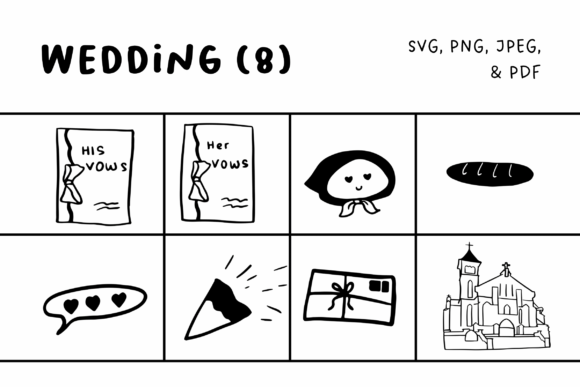
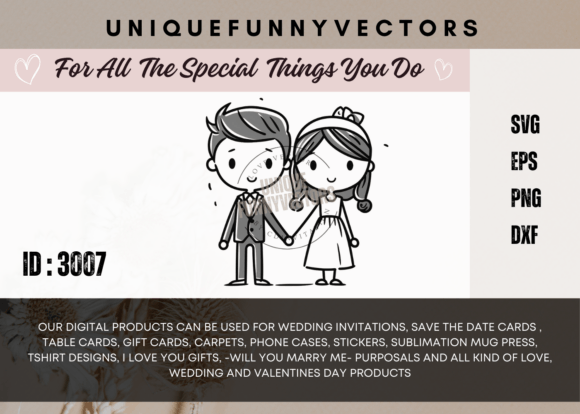
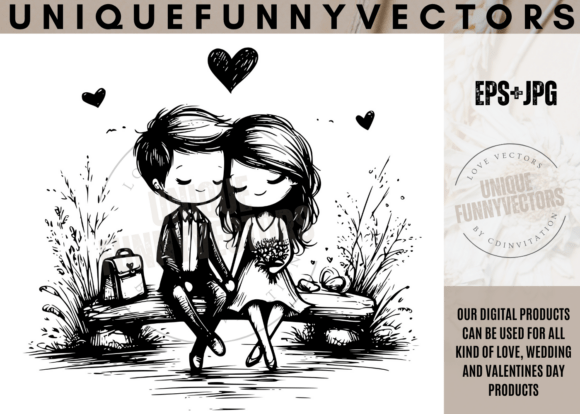
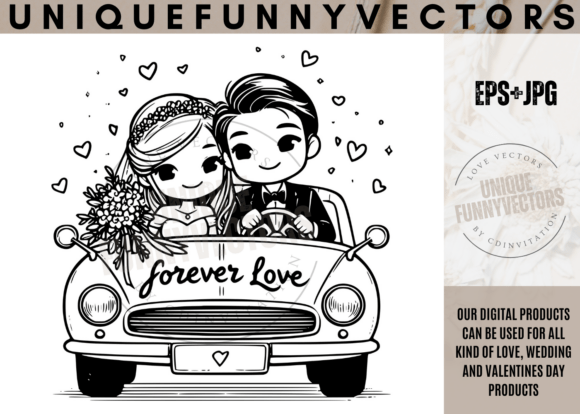
The visual appeal lies in its balanced approach. The icons likely blend clean, modern lines with a touch of romantic whimsy—think elegant script flourishes meeting geometric hearts, or a stylized house icon that feels both contemporary and cozy. This duality is key. It avoids the pitfalls of being overly saccharine or too sterile, striking a tone that feels authentic and emotionally resonant. This kind of premium font style, translated into iconography, carries a personality that can define a brand's entire aesthetic.
From Screen to Print: Practical Applications Across Projects
Let's talk about where a set like this actually lives and breathes in a professional workflow. The applications are broader than you might initially think.
- Brand Identity & Logo Design: A cohesive icon set is a cornerstone of visual branding. For a wedding planner, a boutique hotel, a romantic cafe, or a home goods store, these icons can form the basis of a logo mark or become a supporting visual system used on business cards, letterheads, and signage. They help build immediate brand recognition.
- Packaging & Product Design: Imagine these icons on the packaging for artisanal chocolates, scented candles, or a special edition product line. They add a layer of perceived value and thoughtfulness, telling a story of care and quality before the product is even opened.
- Digital Presence & Marketing: This is where versatility shines. Use the SVG icons for website navigation, the PNG for email newsletter headers, and the JPG for Pinterest pins or Instagram story backgrounds. They ensure visual consistency across every digital touchpoint, strengthening your brand identity.
- Print & Editorial Layouts: For bloggers, magazine editors, or authors, these icons can break up text, highlight key points in an article about relationships or home life, or add decorative flair to a book cover or interior layout.
- Invitations & Event Collateral: Beyond weddings, think anniversary parties, engagement celebrations, or even a "housewarming" themed launch event. The icons can be customized to create a unique suite of invitations, thank you cards, menus, and programs.
- Merchandise & Physical Goods: From tote bags and mugs to notebook covers and apparel, a well-designed icon set can become a product in itself. The DXF file is particularly useful here for creating vinyl decals or stencils for physical goods.
Making It Work: Practical Advice for Integration
Having the assets is one thing; using them effectively is another. Here’s how to ensure they work for you.
Choosing the Right Context: First, assess the mood of your project. Is it minimalist and modern? Lean into the cleaner, geometric icons. Is it rustic or vintage? Maybe use the icons as a subtle texture or choose ones with a hand-drawn feel. The goal is visual consistency; every element should feel like it belongs to the same family.
Font Pairing Strategy: Icons are part of a larger typographic ecosystem. If the icons have a flowing, script-like quality, pair them with a clean sans serif font for body text to maintain readability. If they're more structured, a complementary serif font could add elegance. Always test pairings by placing text and icons together on a canvas to check for visual harmony and contrast.
Readability is Non-Negotiable: Never sacrifice clarity for style. Ensure icons used as functional elements (like social media buttons or navigation cues) are instantly recognizable. When using them decoratively, make sure they don't clutter the layout or distract from the core message. White space is your ally.
Test Across Formats: Before finalizing, test the icons in their various file formats. Does the SVG render correctly on different browsers? Does the PNG maintain its transparency when placed over a photo? Does the EPS file edit smoothly in your software? This due diligence prevents headaches later in the production process.
Understand Your License: This is critical for commercial use. Always review the licensing terms provided with the asset. A clear commercial license allows you to use the icons in client projects, sell products featuring them, and incorporate them into your own brand materials without legal ambiguity. It’s the foundation of professional, ethical design work.
A Final Thought on Building Visual Stories
Ultimately, tools like this icon set are about storytelling. They provide a visual shorthand for concepts like love, commitment, home, and celebration. When used with intention and skill, they help bridge the gap between an idea and its emotional impact, ensuring that the final product—whether it's a website, a package, or a simple invitation—feels cohesive, professional, and genuinely meaningful. The real value lies not just in the files themselves, but in the countless stories they help you tell.